DOWNLOAD PROGRAMME

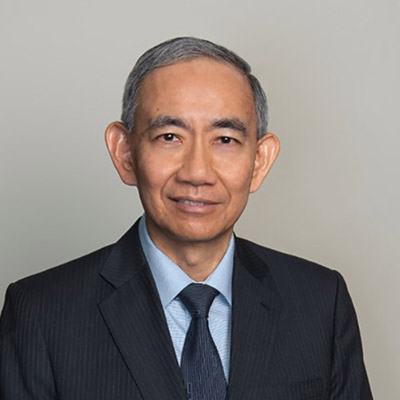


This panel will examine the political developments and foreign policies of major countries,
with a focus on the United States, China and Japan, and examine how these dynamics will
shape the regional economic and geopolitical landscape in the coming years. Key issues
include the policy direction under the second Trump administration and its impact on the
US Indo-Pacific strategy, China’s counter-containment efforts through the consolidation of
its manufacturing and technological prowess and mobilisation of Global South countries,
as well as Japan’s evolving foreign and security strategies. We will also explore the
implications for Southeast Asia, identifying both vulnerabilities and opportunities in this
evolving geopolitical environment.



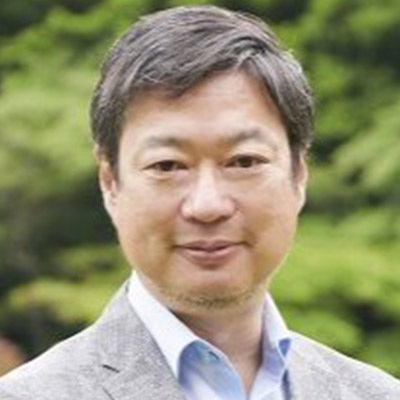
This panel will discuss the shifting dynamics of international economic relations,
focusing on the rethinking of globalisation, the reconfiguration of global supply chains,
and the resurgence of protectionism, industrial policies and the heightened emphasis on
economic security and resilience in major economies. It will address the challenges and
opportunities that these trends present to Southeast Asian countries, and examine how
regional nations, in collaboration with their economic partners, are navigating these
changes. The discussion will highlight efforts to deepen regional economic integration,
secure access to markets and technologies, and accelerate the green transition and
digital transformation to sustain growth in an evolving global economic landscape.
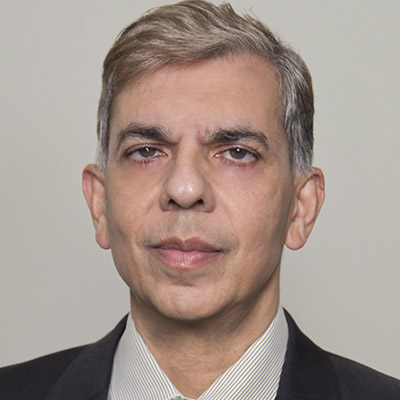
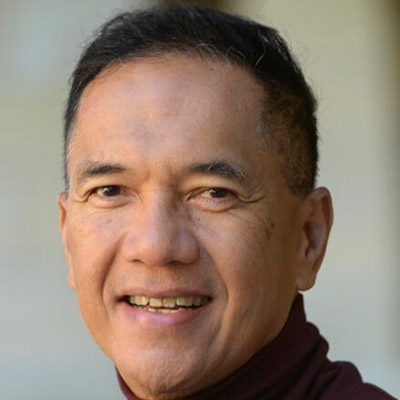

Having survived the first two years with a checkered record, Anwar Ibrahim’s Unity
government looks stable and secure enough to run the full term to 2027. As it reaches
its mid-point, the administration will look towards 2025 as the year for making decisive
breakthroughs, mindful of the narrowing window for executing bold and potentially
unpopular reforms. The Pakatan Harapan-led government continues to grapple with
economic challenges, including generating growth, mitigating inequality and cost of
living, and consolidating government finances. Politically, Malaysia faces persisting
challenges of fostering ethnic and religious inclusiveness, reforming governance, and
managing Peninsular-Borneo relations, particularly with Sabah’s state elections in 2025.
The Perikatan Nasional opposition will seek to consolidate its strongholds and expand
its appeal in a year of heightening expectations. This panel will critically examine these
issues from both sides of the political divide.


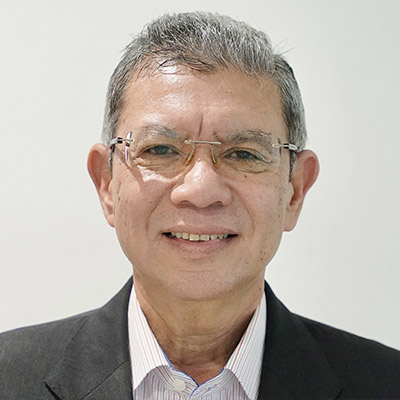
This panel will reflect upon the political upheavals in Vietnam brought about by the
anti-corruption campaign, the ascent of Mr To Lam as the new General Secretary of the
Vietnamese Communist Party, and the implications of this leadership change for the
country’s political stability, economic direction and foreign policy. For the Philippines,
the panel will examine the fissures within the UniTeam alliance between the Marcoses
and Dutertes, their impact on the policy agenda of the current administration, and
the prospects of the Philippines’ political landscape leading up to and following the
2025 mid-term elections. The panel will also examine the Philippines’ relations with
the US and China, including a comparative analysis of how Manila and Hanoi embrace
different approaches to addressing their shared security concerns regarding China in
the South China Sea.

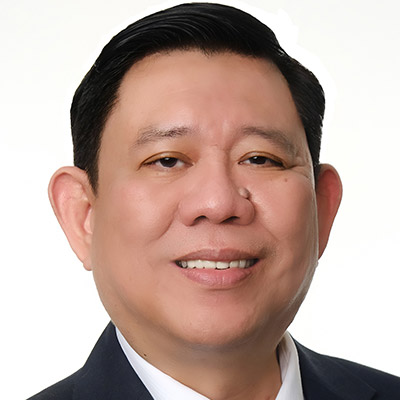

By January 2025, the Prabowo administration will have been in power for just over two
months, and there is considerable anticipation and anxiety surrounding its trajectory.
This panel aims to shed light on how Mr Prabowo’s personality and character will shape
his presidency, the composition of his cabinet, and his government’s key political and
policy objectives. It examines the challenges the new administration will face and the
potential policy areas where there would be continuity and change from the Jokowi
era. The panel will also discuss how President Prabowo would shape his own distinctive
legacy, particularly in the realm of international diplomacy.